Symptoms of Menopause
Latest Article
Explore Contents
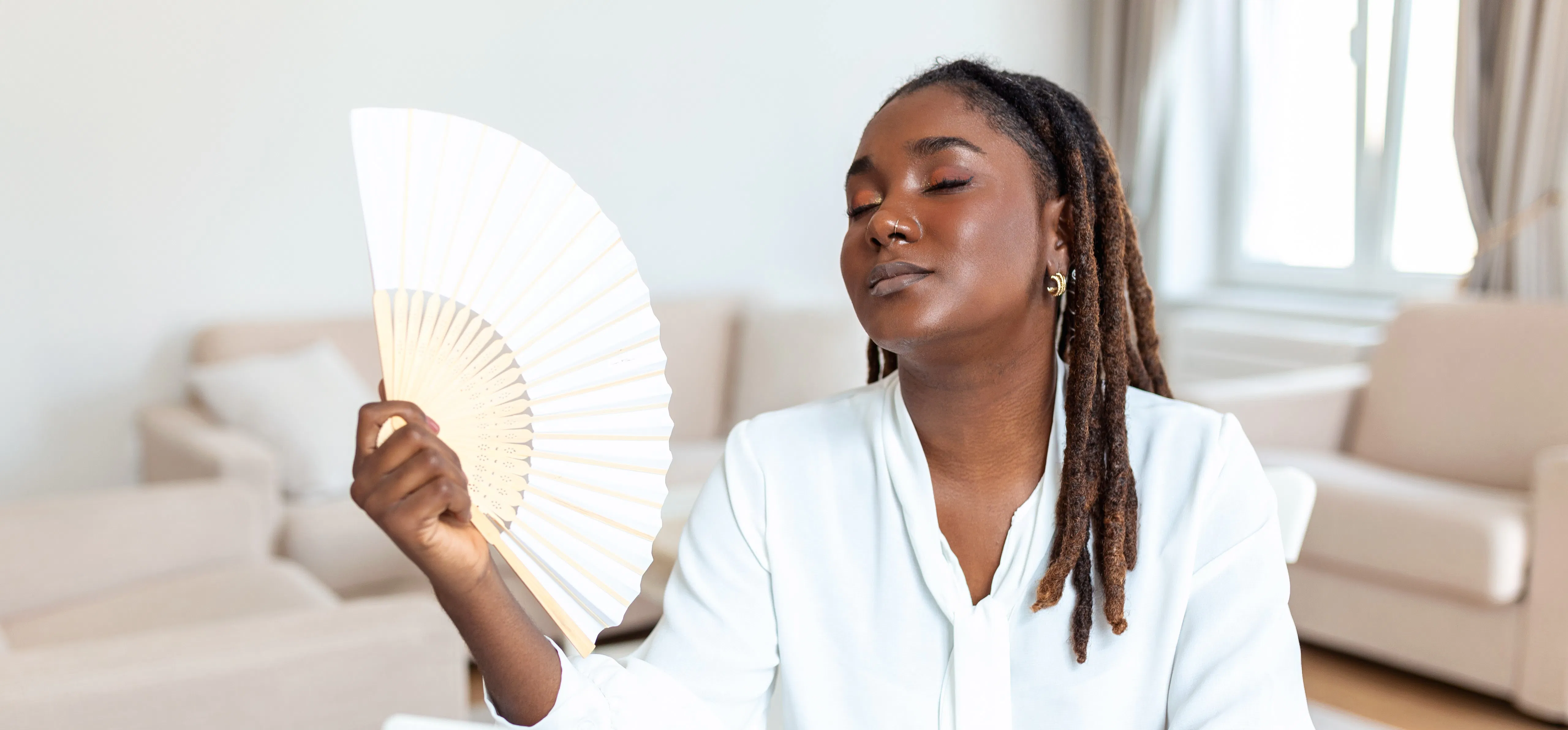
Hot flushes are the most common symptom of menopause, affecting about 80% of women. They occur especially in late perimenopause and postmenopause. Hot flushes appear suddenly and unexpectedly, often disrupting daily life. The intensity of the symptoms varies greatly from one woman to another; for some, they are merely unpleasant, while others experience severe discomfort. But what exactly are hot flushes, why do they occur, and how can you effectively alleviate them?

Menopause is a phase of transition that begins for most women between the ages of 45 and 55. Many women experience a range of symptoms during this time that can greatly impact daily life. However you're feeling – you’re not alone, and there are ways to navigate these changes.

Your skin feels tight, dry, or itchy—even though your skincare routine hasn’t changed. Hormonal changes during this phase directly affect your skin and hair, altering their needs.

For many women, bloating and digestive issues are among the lesser-known symptoms of menopause. Hormonal changes affect bowel movements, the gut microbiome, and stress responses—with noticeable effects on digestion. Scientific findings and practical strategies can help women better understand and manage these changes.

Many women experience a hormonal rollercoaster during menopause – with effects that go far beyond hot flushes or mood swings. What is often overlooked: the thyroid also plays a central role during this phase of life. It regulates metabolism, affects energy, mood, weight, and even bone health – all areas that tend to shift during menopause. No wonder that the symptoms of thyroid issues and menopause are so similar – and often hard to distinguish from one another.

Is the scale broken—or have I gained weight? Everything’s the same as always: same diet, same exercise routine. And yet the scale suddenly shows a higher number—while the extra weight often accumulates exactly where you need it least: around the belly.
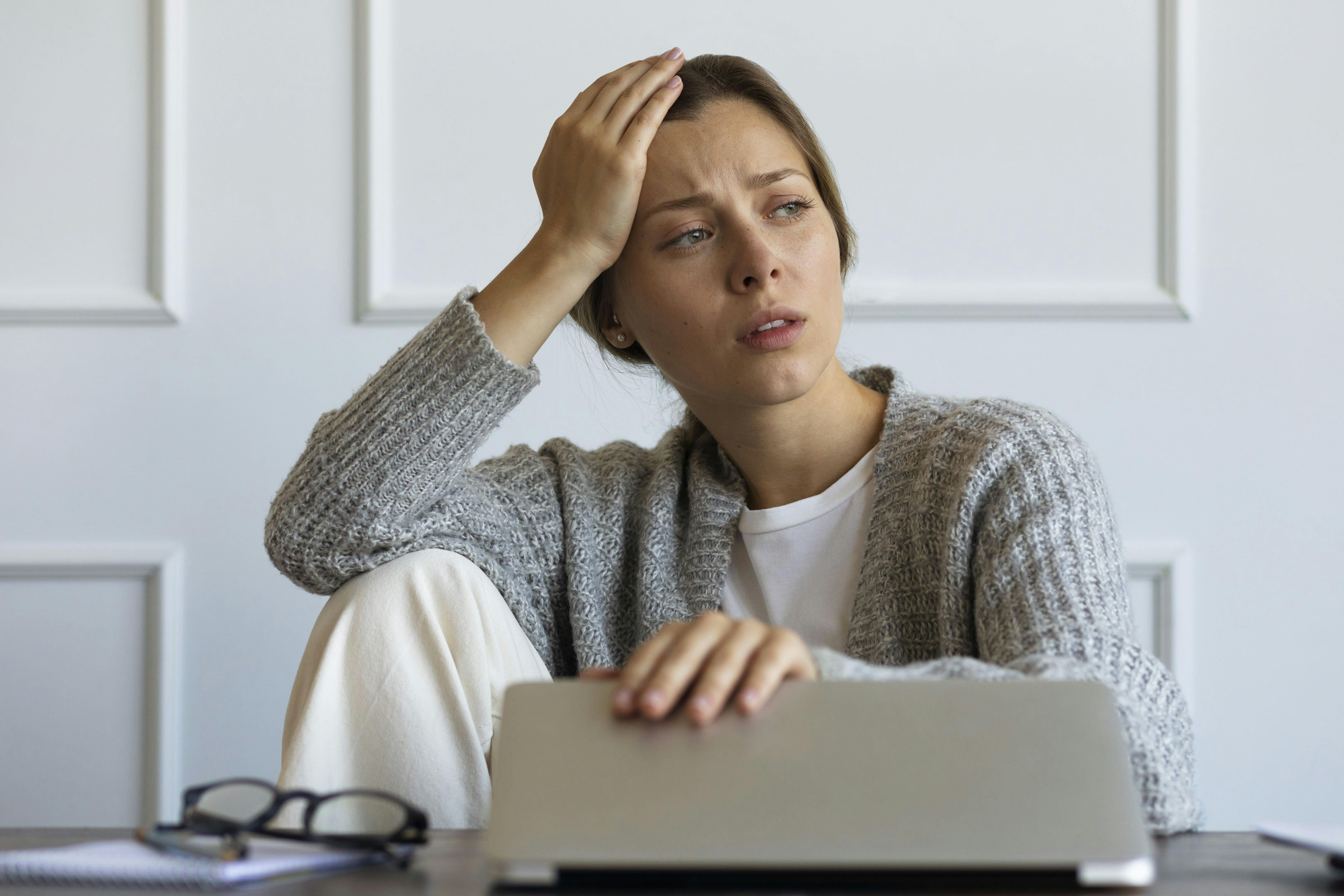
For most women, the period is astonishingly reliable over many years. Month after month, bleeding starts around the same time, lasts three to five days, and occurs every 26 to 32 days—on average about 28 days. This familiar pattern is so ingrained that any change immediately catches your attention.

Joint pain during menopause is something that many women struggle with – and it can significantly affect daily life. The good news: There are many ways to alleviate the symptoms. With the right combination of exercise, a balanced diet, stress reduction, and medical support if needed, you can do a lot to feel better and improve your quality of life. But what exactly is behind joint pain during menopause, and how can you best alleviate it?

Menopause doesn’t just affect your body—it has a significant impact on your emotions too. If you’ve ever felt like your moods are on a rollercoaster ride, you’re not alone. Unexplained sadness, irritability, and moments of overwhelming frustration are common during this transitional phase. The good news? These emotional ups and downs aren’t permanent, and with the right approach, you can steady the ship.
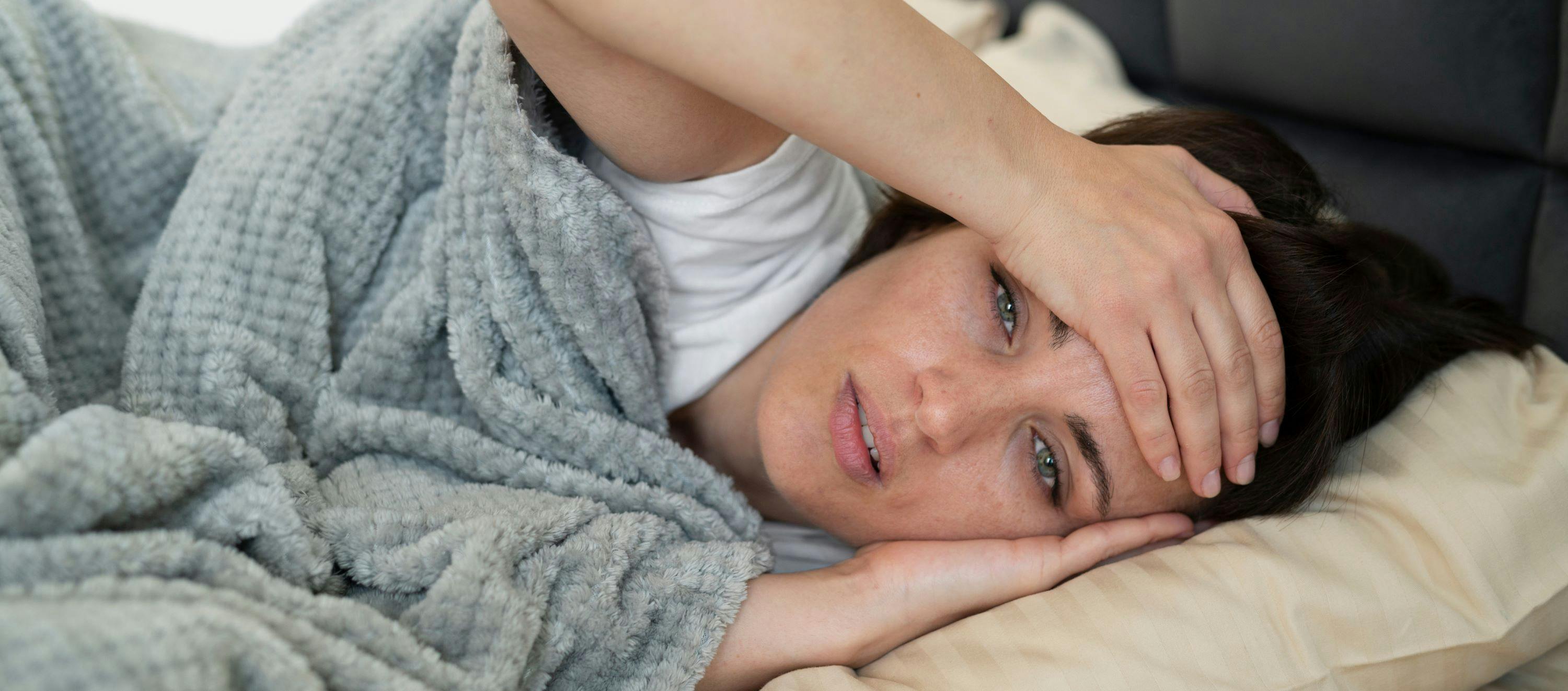
The menopausal transition brings a wave of physical and emotional changes, with sleep disruptions being among the most common complaints, affecting about 50% of women in this phase. Often, sleep issues coincide with hot flushes or other symptoms. In perimenopause—the transition period before menopause—sleep problems may start suddenly. Interestingly, women in some cultures, like Japan, report fewer sleep issues, possibly due to dietary or social differences.

Menopause brings a host of changes – and unfortunately, weight gain is often one of them. Suddenly, your favorite clothing doesn’t fit anymore, even though you’re not eating more than before. So-called visceral fat appears around your inner organs. This article explains how menopause affects metabolism and offers strategies to help you manage your weight.
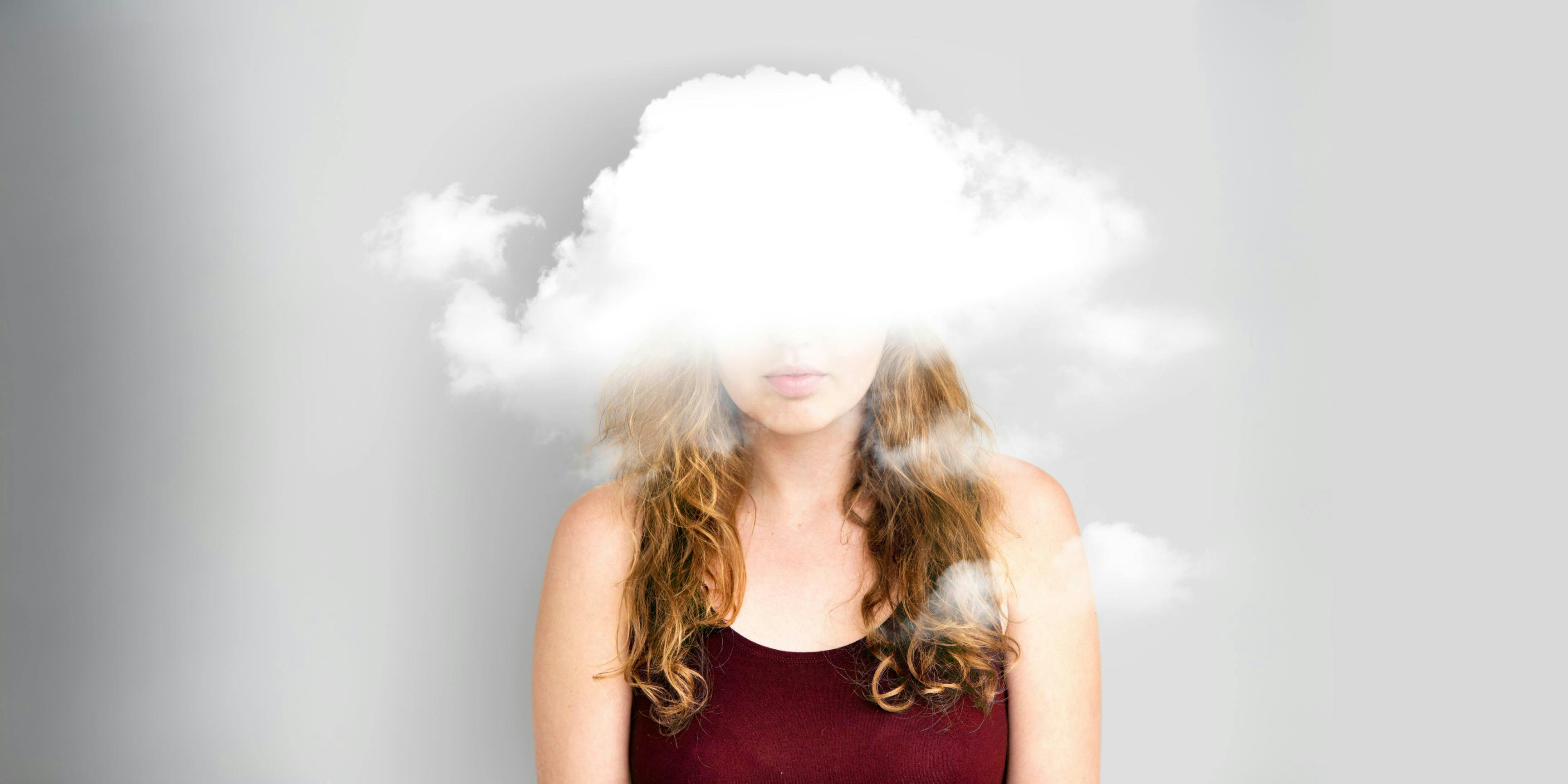
Many women experience changes during menopause that they hadn’t known before. One of the most common, yet lesser-known symptoms is "brain fog," which affects about 60% of women in this phase of life. But what exactly is behind it, and what can you do about it?

Die Wechseljahre betreffen weltweit Millionen von Frauen und haben tiefgreifende Auswirkungen auf das Berufsleben. In Deutschland gibt es eine wachsende Erkenntnis, dass diese Lebensphase nicht nur gesundheitliche, sondern auch wirtschaftliche Folgen hat. Symptome wie Hitzewallungen, Schlafstörungen und Konzentrationsprobleme beeinträchtigen die Produktivität von Frauen und führen u.a. zu erhöhten Fehlzeiten. Trotz dieser Herausforderungen wird das Thema am Arbeitsplatz oft tabuisiert.
