Nutrition and metabolism
Latest Article
Explore Contents

Digestion and Bloating During Menopause – What's Behind It?
For many women, bloating and digestive issues are among the lesser-known symptoms of menopause. Hormonal changes affect bowel movements, the gut microbiome, and stress responses—with noticeable effects on digestion. Scientific findings and practical strategies can help women better understand and manage these changes.

Menopause & Weight – Why Fat Distribution and Metabolism Change
Is the scale broken—or have I gained weight? Everything’s the same as always: same diet, same exercise routine. And yet the scale suddenly shows a higher number—while the extra weight often accumulates exactly where you need it least: around the belly.

Evela “Green Gold” Mix - A hearty metabolism boost for every day
Say goodbye to boring "healthy eating." One spoonful transforms avocado, eggs, or bowls into a flavor highlight. This is more than just a seasoning – it is your daily upgrade against cravings. Inspired by the popular "Bagel Seasoning," but with the special Evela Health Twist for your metabolism.
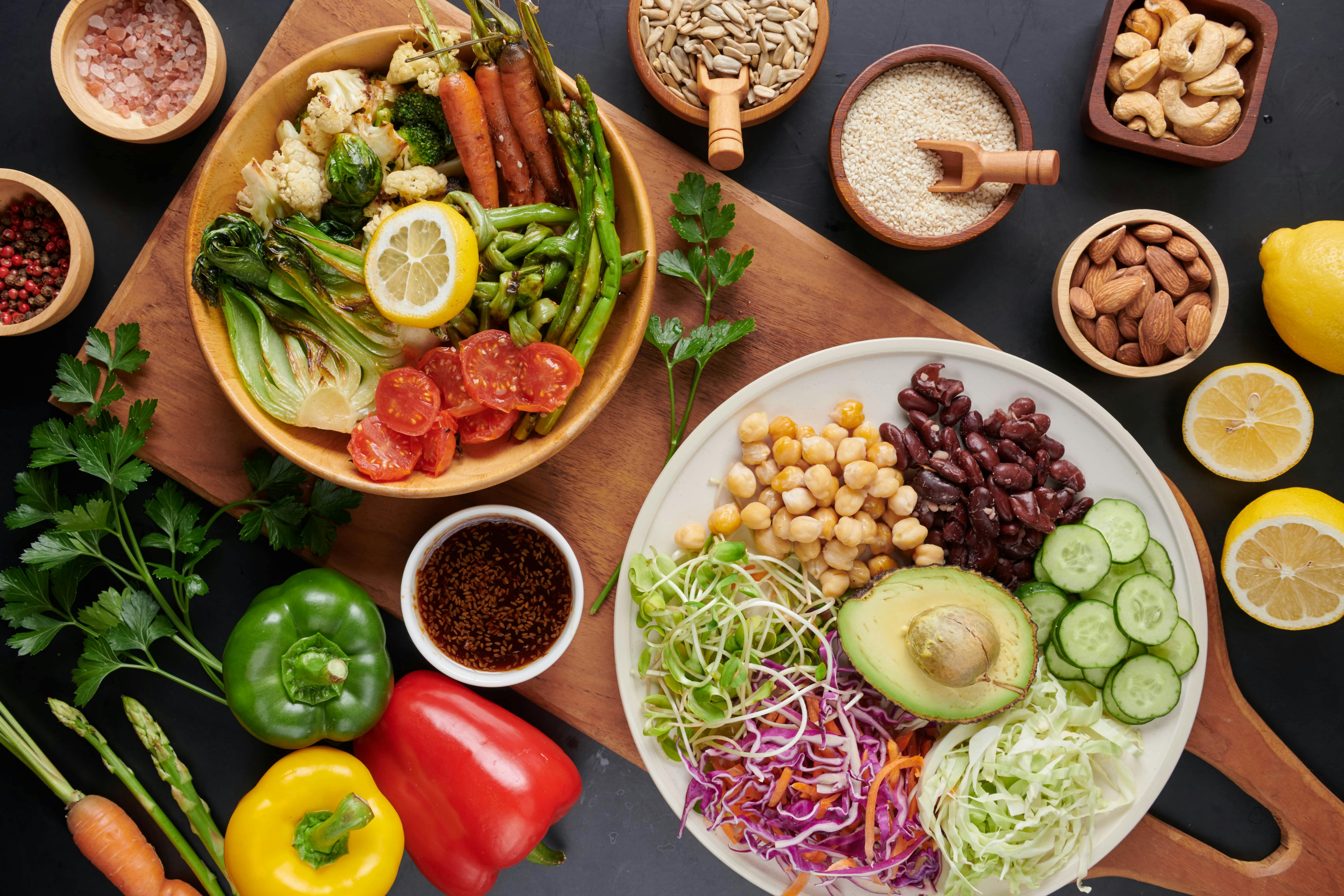
Nutrition during menopause
Eating well during menopause doesn’t mean giving up everything. Even small changes—such as eating more protein, plant-based foods, healthy fats, and fiber-rich carbohydrates—can make a noticeable difference in your metabolism, energy levels, and muscle mass. What matters isn’t perfection, but taking that first step toward a diet that fits your lifestyle in the long run.

Evela “Magic Muscle” Crunch - The easiest health hack for your routine
One spoonful turns any meal into a "SUPERFOOD". This is more than just a mix of seeds – it is a precise nutrient formula for your daily needs. Specially developed to support your body over 40 exactly where it needs it most.
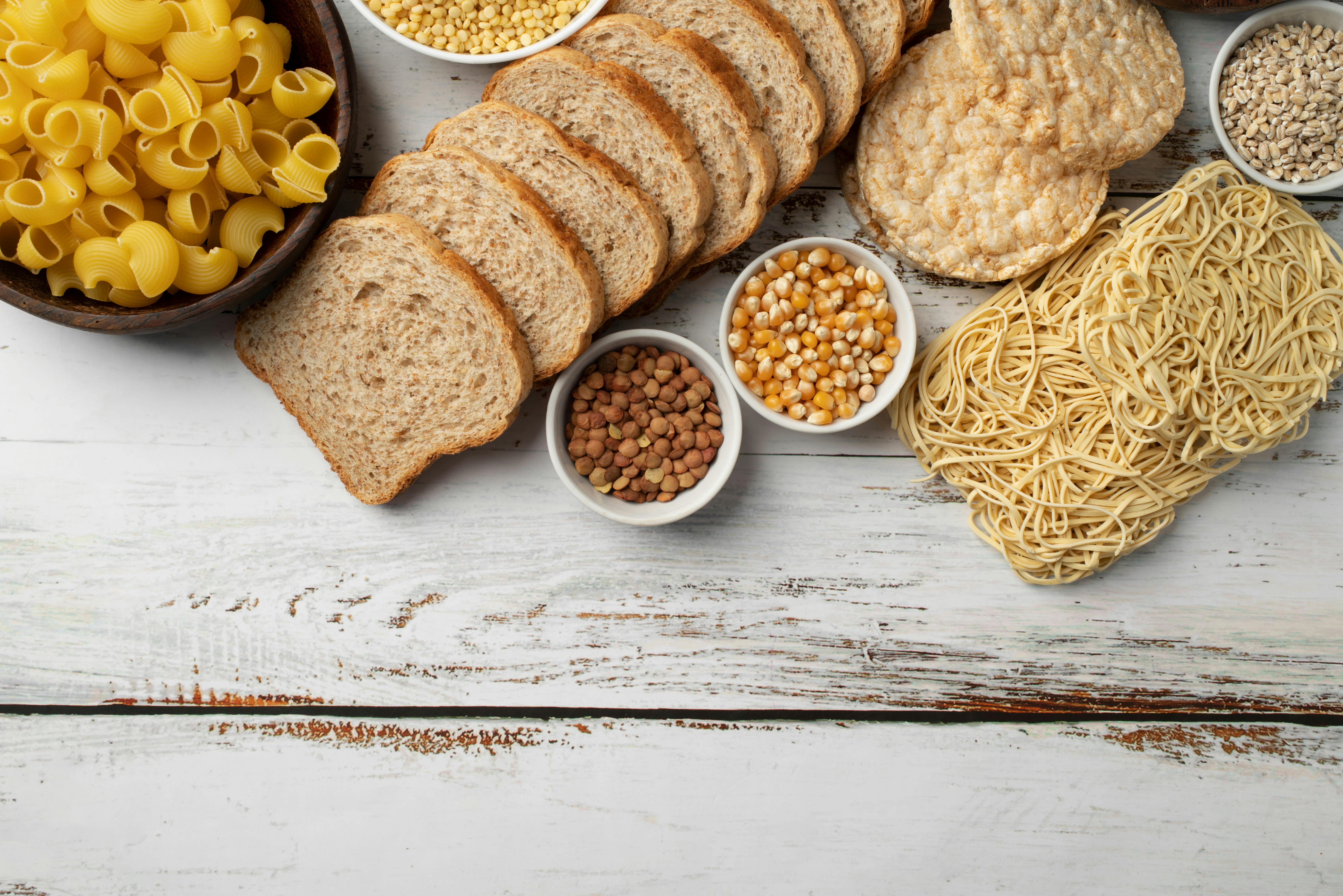
Fiber: your key to greater well-being and inner balance
When we think of “healthy eating,” women going through menopause tend to focus on protein. Fiber, on the other hand, doesn’t get much attention—the word itself sounds heavy and unappealing, evoking dry bran rather than a treat. Yet fiber is far more than just a digestive aid and can actually taste quite good.
Von Blutzuckerschwankungen zum metabolischen Syndrom: Wo stehst du?
Hitzewallungen, Schlafstörungen, Stimmungsschwankungen — das sind die Symptome, über die in Zusammenhang mit den Wechseljahren am häufigsten gesprochen wird. Was dabei weniger Aufmerksamkeit bekommt: ein schleichender Wandel im Stoffwechsel, der sich lange unter der Oberfläche entwickelt. Postmenopausale Frauen haben messbar andere Blutzuckermuster als prämenopausale — selbst dann, wenn alle anderen Faktoren gleich bleiben. Was dieser Unterschied bedeutet, wo auf dem Spektrum du dich befindest, und ab wann medizinischer Handlungsbedarf besteht, erklärt dieser Artikel.
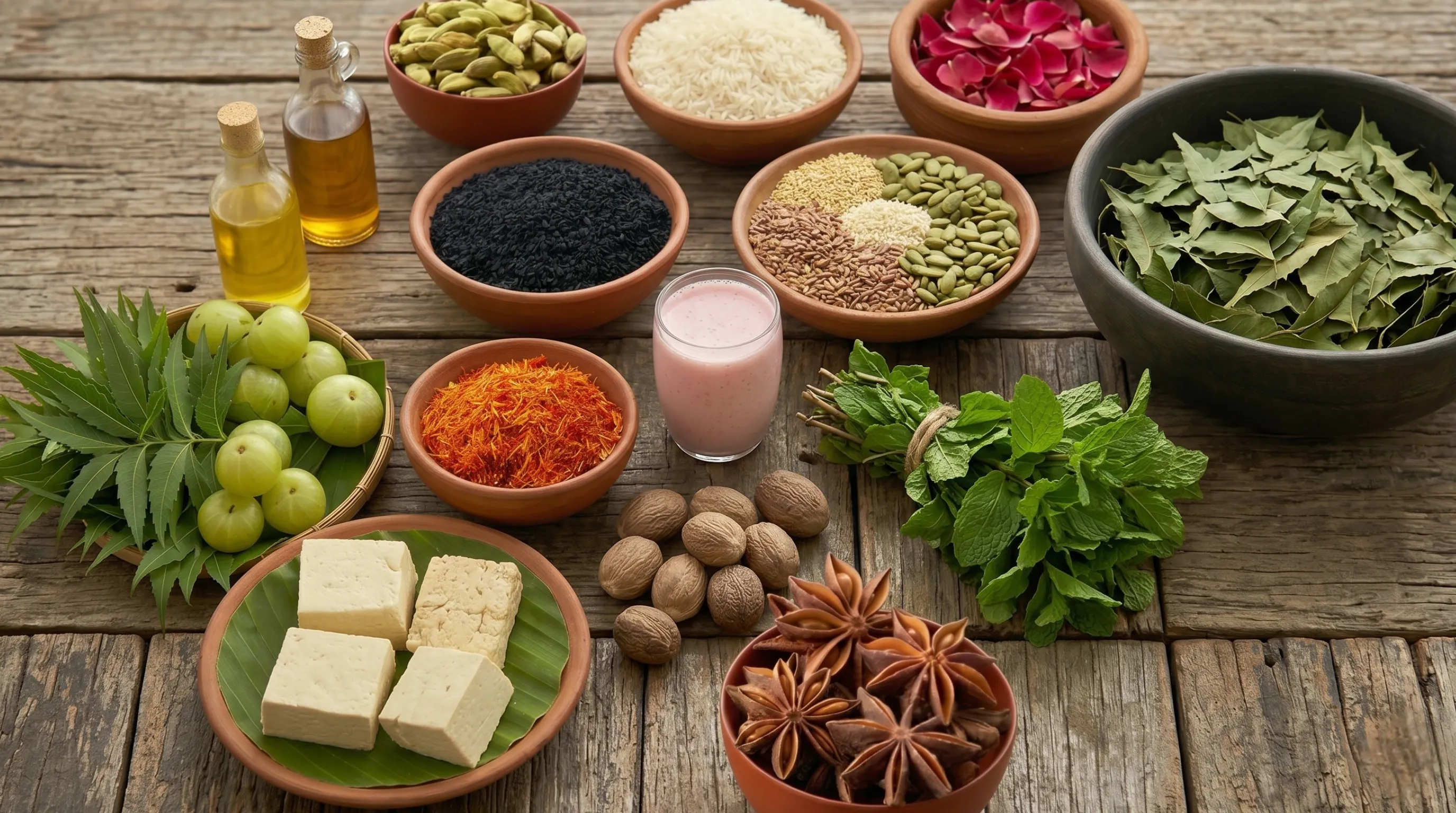
Ayurvedic Nutrition During Menopause: How Ancient Wisdom Helps the Body in a New Phase of Life
Menopause is not a defect that needs fixing - it is a turning point. During perimenopause, the hormonal balance begins to shift: first progesterone drops, followed later by estrogen. This has consequences that go far beyond hot flashes and restless nights. The microbiome changes, the metabolism slows down, blood sugar fluctuates more heavily, and the risk of silent inflammation increases. This is exactly where Ayurveda comes in, a 5,000-year-old health philosophy that aligns surprisingly well with what modern nutritional medicine and longevity research recommend today.
The beauty of Ayurveda: It is neither a diet nor a list of restrictions. It is a way of life tailored to the individual - one that can be integrated into everyday life with surprisingly small steps.
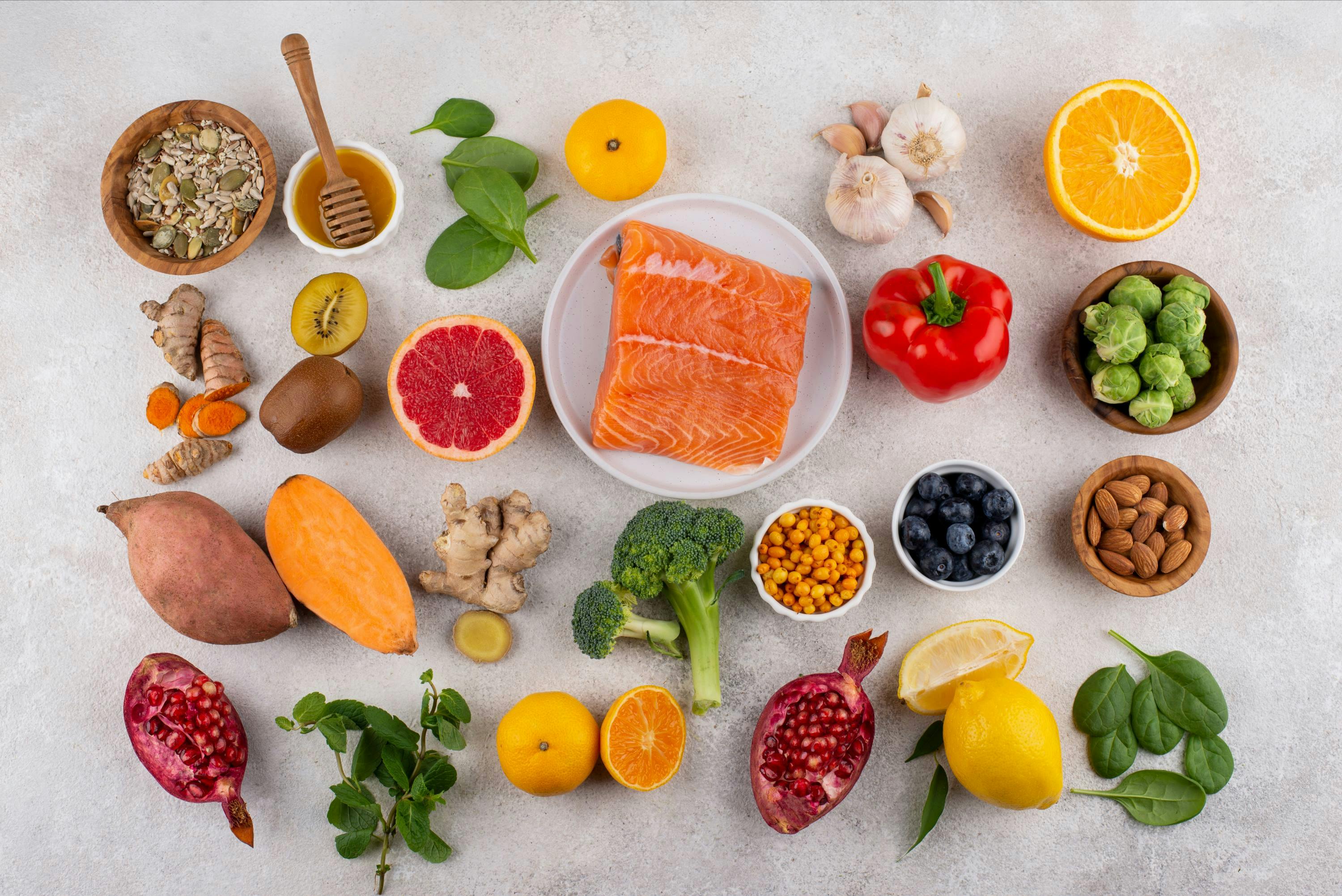
Nutrition during menopause: support your health with good eating choices
Plant-based variety, healthy fats, and adequate protein form the foundation of an anti-inflammatory diet during menopause. They support metabolism and help regulate inflammation—because longevity often begins in the kitchen.

Wenn Blutzucker und Hormone aus dem Takt geraten
Nachmittagstief, das sich keiner Erklärung entzieht. Heißhunger auf Süßes kurz nach dem Mittagessen. Gewicht, das sich trotz unveränderter Ernährung schleichend am Bauch ansammelt. Viele Frauen in den Wechseljahren erleben genau das — und suchen die Ursache zunächst beim Essen oder beim Bewegungsmangel. Doch dahinter steckt oft etwas anderes: ein hormonell bedingter Wandel im Blutzuckerstoffwechsel. Wenn Östrogen schwindet, verändert sich auch die Art, wie dein Körper mit Zucker umgeht. In diesem Artikel erfährst du, was dabei im Körper passiert, welche Symptome typisch sind — und welche Maßnahmen die Forschung empfiehlt.

Metabolism surprises during menopause: how to keep your healthy weight
Menopause brings a host of changes – and unfortunately, weight gain is often one of them. Suddenly, your favorite clothing doesn’t fit anymore, even though you’re not eating more than before. So-called visceral fat appears around your inner organs. This article explains how menopause affects metabolism and offers strategies to help you manage your weight.

Supplements During Menopause
Note: A shorter version of this article appeared in Nina Ruge’s newsletter at www.stayoung.de. Below you’ll find a detailed medical analysis backed by scientific evidence.
Let's talk
Book an introductory call to find out how Evela Health can help your organization